Panama, a vibrant country in Central America, boasts a rich and diverse culture shaped by its indigenous heritage, Spanish colonial past, and Afro-Caribbean influences. This cultural wealth is reflected in various aspects of daily life, including traditional clothing, language and literature, music and dance, a growing film industry, and the economy.
2. Traditional Clothing and AttirePanama’s traditional clothing reflects its diverse cultural heritage, blending indigenous, African, and Spanish influences. Each region of the country has unique styles of dress suited to its climate, traditions, and history. The most famous traditional outfit is the pollera, a beautifully embroidered white dress worn by women, often adorned with gold jewelry and elaborate hairpieces. This attire is showcased during festivals and national celebrations. Men traditionally wear the montuno, a white shirt with embroidery, paired with straw hats and cotton trousers. Indigenous groups, such as the Guna people, wear colorful molas, intricately designed fabric panels used in blouses. During Carnival, Panama’s most famous celebration, people wear extravagant, vibrant costumes decorated with feathers, sequins, and beads, creating a spectacular display of cultural expression.
3. Language and LiteratureSpanish is the official language of Panama, spoken by the vast majority of the population. However, indigenous languages such as Ngäbere and Kuna are also preserved within native communities. Panamanian literature is deeply tied to the country's history and identity, with writers exploring themes of colonization, migration, and cultural fusion. Ricardo Miró, one of Panama’s most celebrated poets, captured the essence of national pride and nostalgia in his works. Other authors, such as Rogelio Sinán and Joaquín Beleño, have contributed to the country’s literary scene, addressing social and political issues. Panama’s literature continues to evolve, reflecting the nation’s diverse experiences and influences from its multicultural society.
4. Music and DanceMusic and dance are at the core of Panamanian culture, blending indigenous, African, and European rhythms. Tamborito, the national folk dance, features lively drumming, singing, and intricate footwork, reflecting African and Spanish influences. Another popular genre, cumbia, is performed with traditional percussion instruments and has variations across different regions. Panama is also known for tipico music, a folk genre that incorporates accordion melodies and rhythmic beats. Beyond traditional sounds, Panama has contributed significantly to reggaeton and Latin hip-hop, with artists like El General pioneering the genre. Salsa and jazz are also popular, with Panama City hosting international music festivals celebrating these styles.
5. Ceremonies and FestivalsPanama’s festivals and ceremonies are a vibrant mix of religious, cultural, and national celebrations. The most famous is Carnival, held in February, where cities like Las Tablas come alive with parades, music, and colorful costumes. This festival is one of the biggest in Latin America, drawing thousands of visitors. Another important celebration is Fiestas Patrias, which honors Panama’s independence from Spain and Colombia with parades, music, and traditional dances. Indigenous communities also hold unique ceremonies, such as the Balsería, a ritualized competition among the Ngäbe people. Additionally, Panama has a strong Catholic influence, seen in events like the Festival de Cristo Negro, where thousands of pilgrims gather in Portobelo to honor the Black Christ statue. These celebrations showcase Panama’s deep-rooted traditions and cultural pride.
6. Growing Film IndustryPanama’s film industry has gained recognition in recent years, with local filmmakers producing works that highlight the country’s history and social realities. Films such as Invasion by Abner Benaim, which explores the 1989 U.S. invasion of Panama, have received international acclaim. The Panama International Film Festival has also become an important platform for Latin American cinema, attracting filmmakers and audiences from around the world. The industry continues to expand, telling the stories of Panama’s people, struggles, and triumphs.
7. Economy and TradePanama is one of the most dynamic economies in Latin America, driven by trade, finance, and
logistics. The Panama Canal is a vital global trade route, generating significant revenue and
connecting the Atlantic and Pacific Oceans. The country is also a financial hub, with a thriving
banking sector attracting international investors. Agriculture plays a role in the economy, with
exports including bananas, coffee, and seafood. Tourism is another key industry, with visitors
drawn to Panama’s beaches, rainforests, and historical sites. Despite economic growth, Panama
faces challenges such as income inequality and environmental concerns related to deforestation.
However, its strategic location and strong economic policies continue to position it as a key
player in global trade and investment.
Panama’s rich culture, economic strength, and deep-rooted traditions make it a fascinating and
dynamic nation. From its vibrant festivals and diverse music to its growing economy and
influential history, Panama remains a land of opportunity and cultural pride.
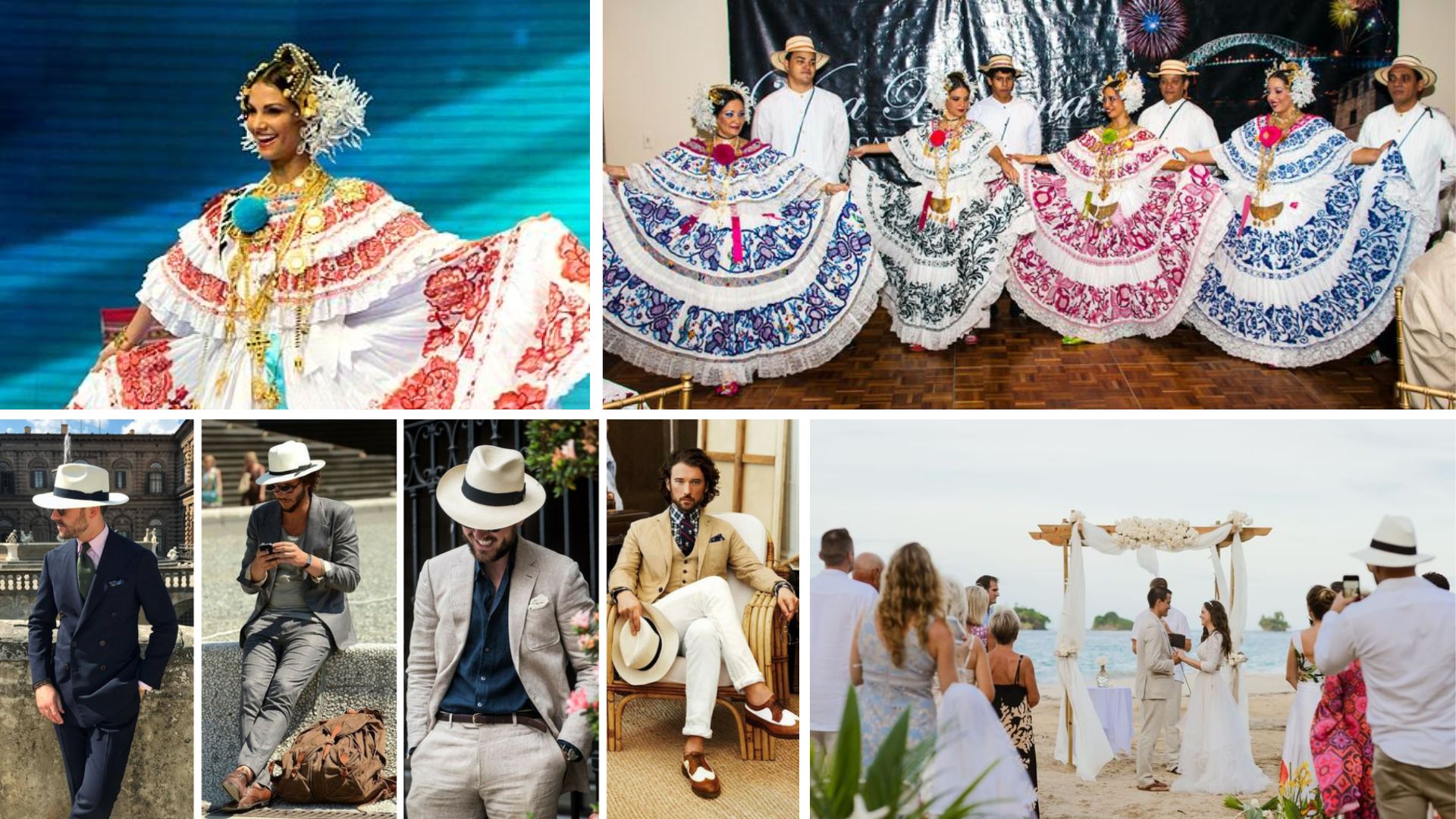
Panama Clothing
Panama’s fashion and clothing reflect its diverse cultural influences. While modern, urban Panamanians typically wear Western-style clothing, traditional attire remains important, especially during festivals and in rural areas. In cities, people prefer casual, lightweight fabrics suited for the tropical climate. The "jeans and t-shirt" style is common, but Panama also has a growing fashion scene, blending traditional and contemporary elements. Indigenous groups, such as the Guna, continue to wear handcrafted molas, vibrant embroidered textiles used in blouses. Traditional dress for festivals, like the pollera, a beautifully embroidered white dress, showcases Spanish colonial influences. These cultural garments highlight Panama’s indigenous, African, and Spanish heritage.
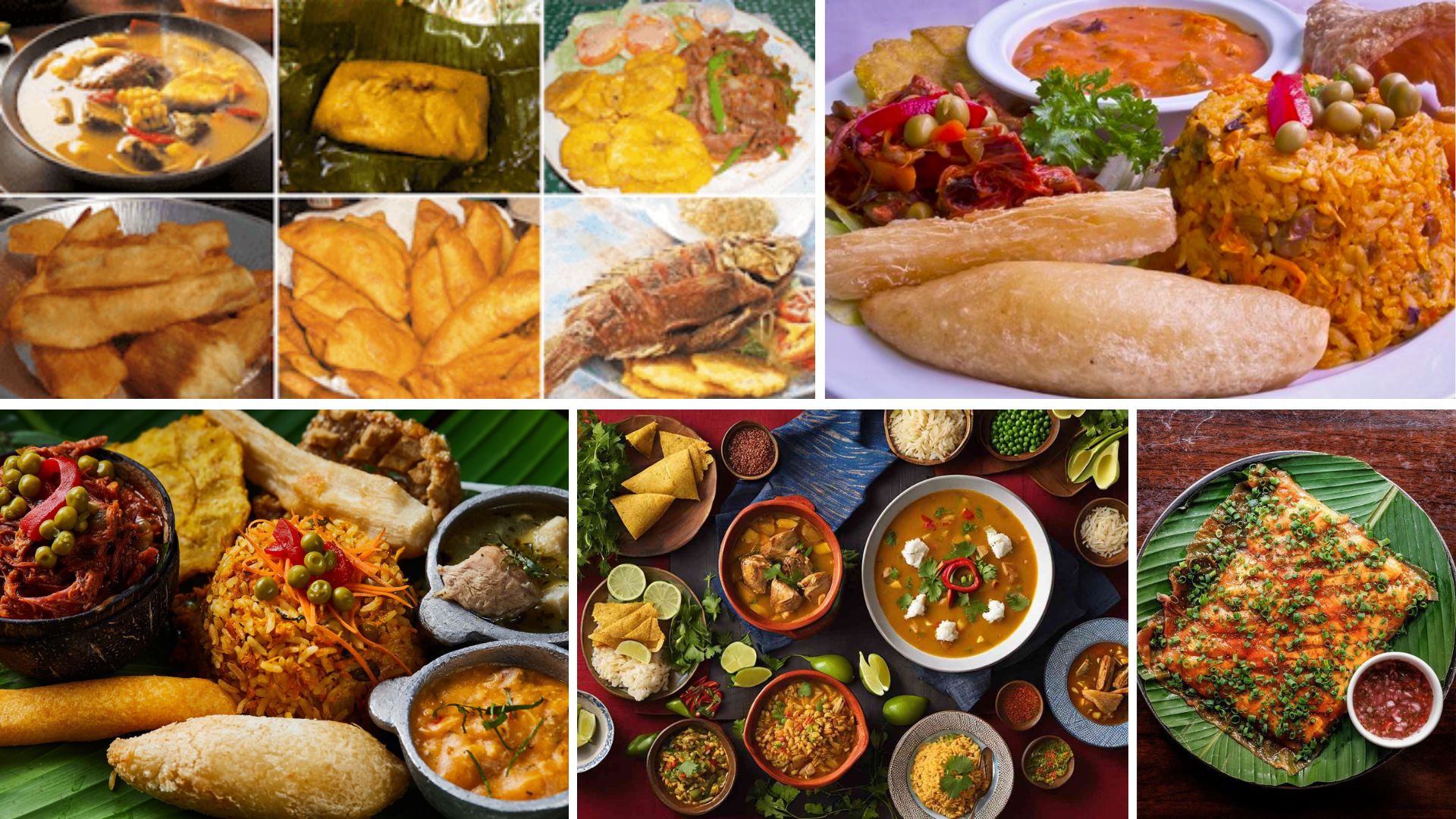
Panama Food
Panamanian cuisine is as diverse and vibrant as its culture, with each region offering unique dishes and flavors. Sancocho, a hearty chicken soup with yams, corn, and herbs, is considered the national dish and is often enjoyed with rice and patacones (fried plantains). In the Caribbean regions, dishes are influenced by African and indigenous flavors, such as coconut rice, fresh seafood, and rondón (a coconut-based seafood stew). The interior is known for corn-based dishes like bollos (steamed corn dough) and tamal de olla (a rich, layered tamale). Panama’s street food is equally beloved, featuring treats like carimañolas (stuffed yuca fritters), hojaldras (fried dough), and chicheme (sweet corn-based drink). Each meal in Panama tells a story of cultural fusion and history.
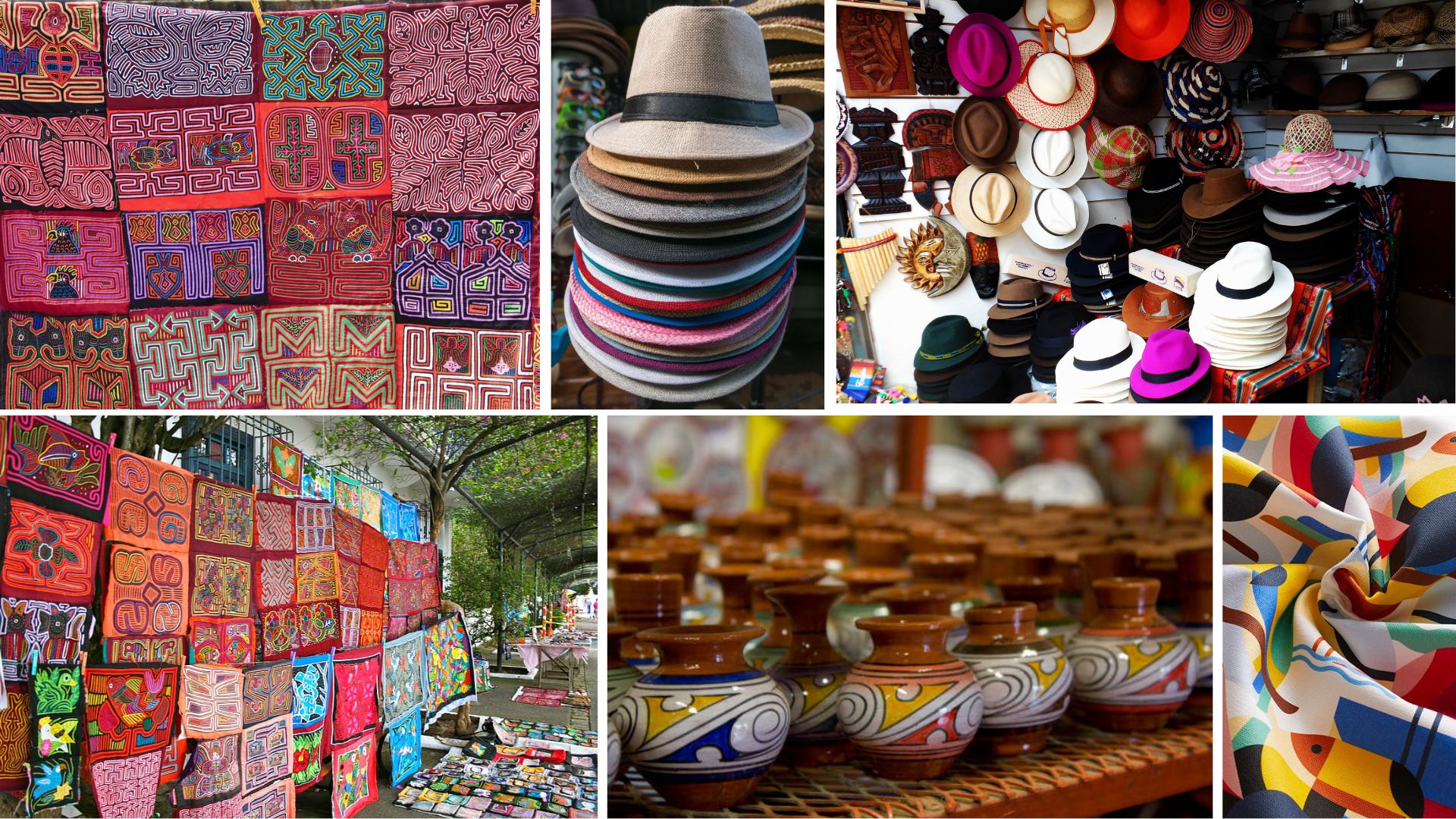
Panama Arts and Crafts
Panama has a rich tradition of arts and crafts, influenced by its indigenous, African, and Spanish heritage. Handicrafts such as wood carvings, pottery, and woven baskets are popular in rural areas and among indigenous groups. These crafts are often sold at local markets and are valued for their intricate designs and natural materials. Panamanian artisans are known for their vibrant colors, seen in items like molas (handwoven textiles), masks, and jewelry. The country’s street art, particularly in Panama City, is renowned, with murals showcasing cultural identity and social themes. The urban art scene continues to grow, and local artists are gaining international recognition for their unique and expressive works.
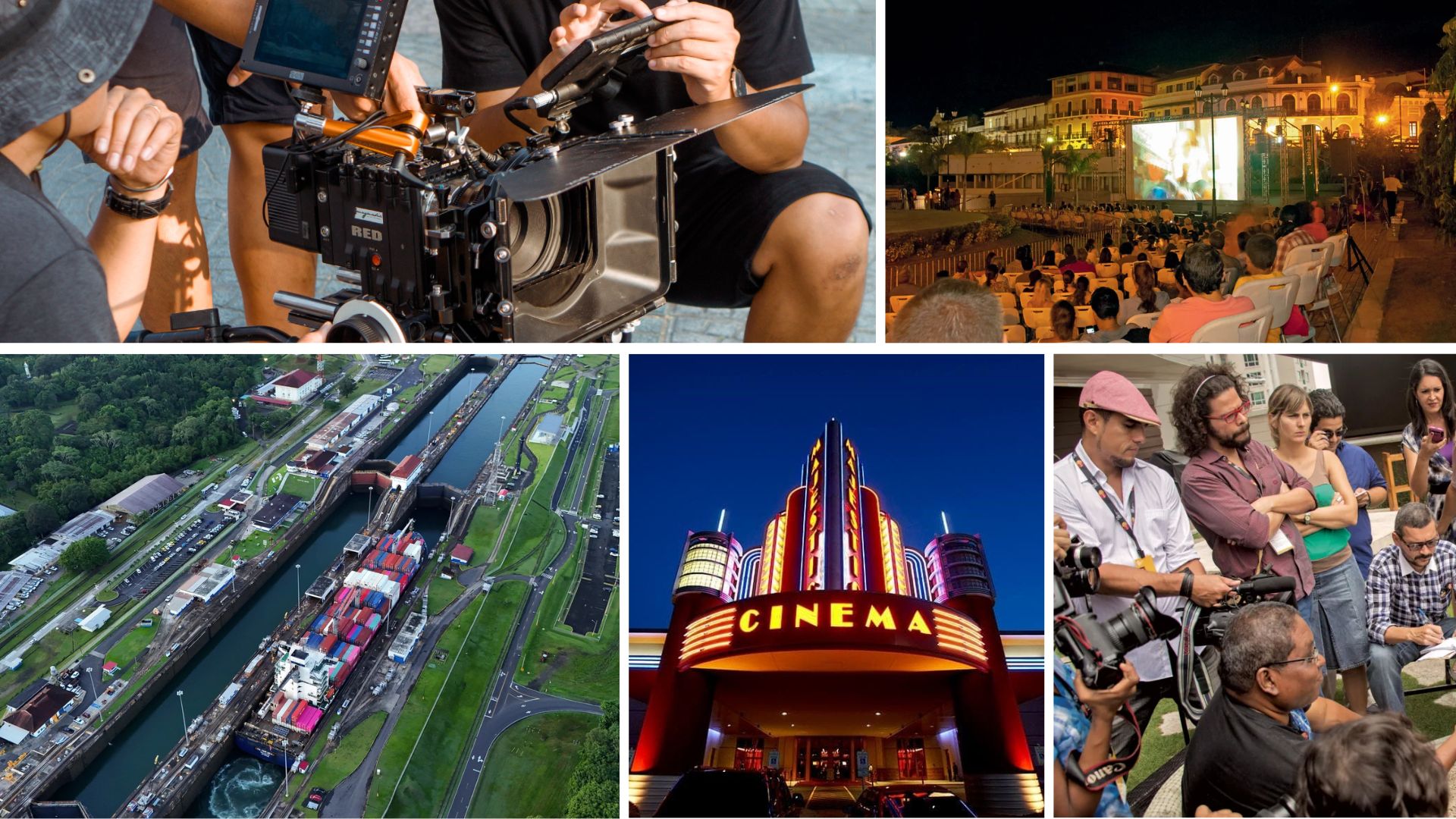
Panama Film Industry
The Panamanian film industry has grown significantly in recent years, driven by a desire to showcase the nation’s history, culture, and social realities. Directors like Abner Benaim have gained international recognition for films such as Invasion, which explores the 1989 U.S. invasion of Panama. The industry continues to expand, producing acclaimed films like Chance, a dark comedy about domestic workers, and Panama Canal Stories, which highlights the canal’s historical impact. Panamanian filmmakers often address themes like migration, identity, and inequality, providing a cinematic window into the country’s diverse experiences. The Panama International Film Festival has also helped elevate local cinema on the global stage.

Panama Economy
As one of the fastest-growing economies in Central America, Panama plays a critical role in global trade. The country is a major hub for logistics and finance, benefiting from the Panama Canal, which facilitates international commerce. It also has strong agricultural exports, including bananas, seafood, and coffee. Panama’s financial sector continues to expand, with growth in banking, fintech, and startups. Despite its economic strengths, Panama faces challenges such as income inequality, corruption, and environmental concerns related to deforestation. Nevertheless, Panama’s economy remains one of the most dynamic in the region, with significant potential for continued growth and foreign investment.